Cloud Peak Wilderness
| Acreage | 190,825 acres (772.24 km²) |
|---|---|
| Size Rank | 7th largest Wilderness in Wyoming |
| Elevation Range | 8,500–13,167 ft |
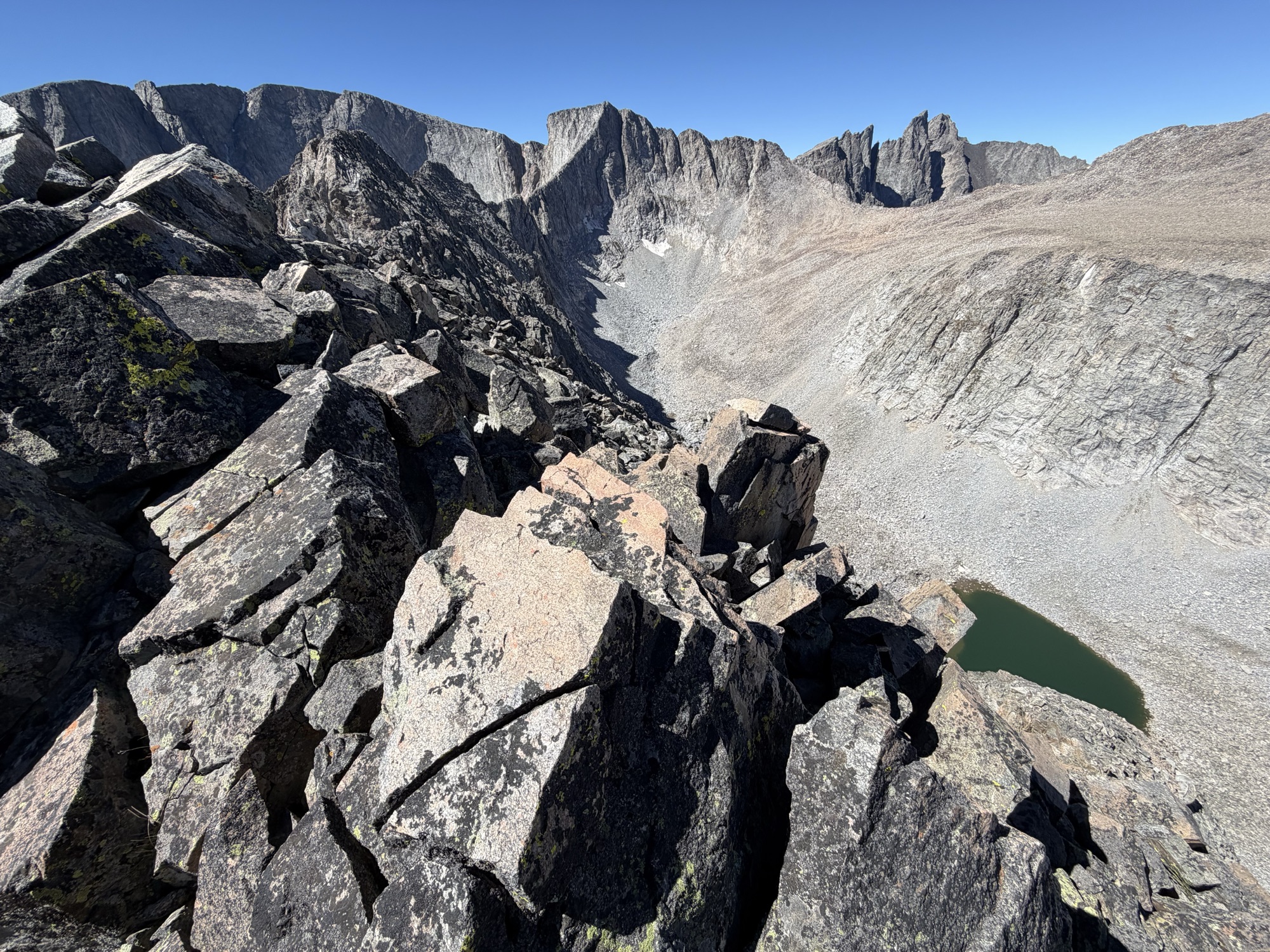
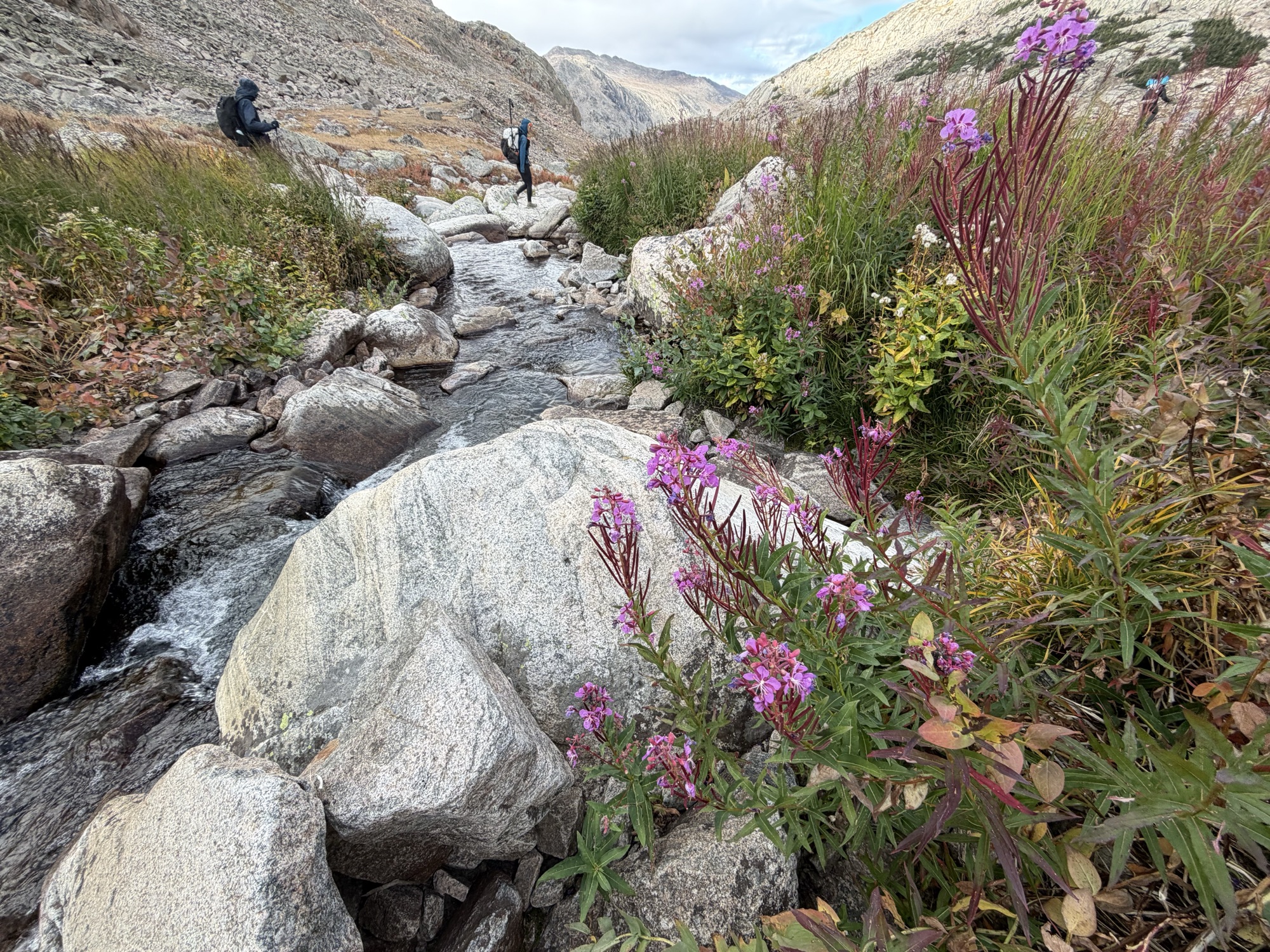
The Bighorn Mountains lie in north central Wyoming. They are a forested range with a spine of ancient rock–3 billion years old. For the non-geologists out there, this makes the rock Precambrian. So when you stand on top of Cloud Peak, know that the rock was there before most modern life forms evolved. Meaning, there were no critters with arms and legs yet.
Interestingly, when the mountains were uplifted (the Laramide Orogeny) there was sedimentary rock piled atop, which subsequently eroded. Folks climbing at Ten Sleep, WY, pull limestone pockets that are the remainders of this sedimentary layer. Ten Sleep is on the west slope of the range and a great spot to visit.
The history of the area is rich. I recommend a visit to Fort Phil Kearny to learn more. There is a massive medicine wheel uphill from Sheridan. The Johnson County range war happened near here. Lots to learn about.
This is one of the most popular places in Wyoming to go backpacking; plan accordingly and enjoy!
Conservation
Grover Cleveland made this area one of the nation’s early forest reserves all the way back in 1897 on George Washington’s birthday. At the same time, he designated the Teton Forest, the Black Hills, and ten more tracts of great timber (13 total). As the ink dried, he left office and bedlam behind. He got his advice from those godfathers of conservation: Gifford Pinchot and John Muir, among others. Western states were not consulted and were very unhappy.
But, as with so many conservation wins, the forest reserve system’s wisdom became clear with time. Before the forest reserve system was put in place, the timber barons pillaged the land for short-term profits. Check out Timothy Egan’s book ‘The Big Burn’ for a decent primer on the USFS inception and a harrowing story of wildfire apocalypse.
Notably, the forest reserve designation allowed extractive use. Folks graze and log in the Bighorns to this day, though total board feet extracted per annum is modest. There would be more logging if there was a mill nearby. From what I can tell, sawlogs need trucked to the Dakotas for processing. The Bighorns are slated as a pilot for long-term logging, versus single sales. Will be curious what comes of that.
In the 1930s, the alpine area of the Bighorns was designated the Cloud Peak Primitive Area. About the same time, the Civilian Conservation Corps built infrastructure throughout the range–you can find their handiwork today.
The ‘Primitive Area’ designation came about through work by Arthur Carhart and, the one and only, Aldo Leopold. This was part of the L-20 regulation, which had the farseeing view that some lands should be maintained in a roadless and primitive state. There were no teeth to this guidance though.
It took until the 1964 Wilderness Act to build the needed mechanism for permanent protection. On October 30, 1984, the Wyoming Wilderness Act was passed, thus shifting the Bighorns (and other state treasures) into the strongest protection the USA can offer a chunk of land. Alan Simpson, Malcolm Wallop, and Dick Cheney sponsored this legislation–and were proud of it! The point was to designate where mining should and could happen and sort out what areas should remain roadless.
The Wyoming Wilderness Association pushed hard for this act as well. Their strong work led the lawmakers to increase the size of the proposed protections from 180,000 acres to 880,000. What a legacy! Read about this history at WyoFile here and here at the Buckrail.
The Buckrail article has a great timeline of the WWA.
News
Sheep, fire, and logging:
Recovery from the Elk fire of 2024 is ongoing. As you drive up the eastern escarpment you will see how hard this area burned.
Landscape-level timber management. The Bighorn Forest is the pilot location to examine shifting timber harvest from one-off sales to something more long-term.
There is ongoing debate regarding how to manage the mountain’s namesake critter alongside sheep grazing. The issue is that sheep carry disease that can infect bighorns, thus the two need to be kept apart. This could include culling bighorns or limiting grazing.
Side note: once my partner and I were hiking down in the Colorado National Monument and I heard hoof clatter to my immediate left. A bighorn was running straight at us. I thought we were going to reenact that old Mountain Dew commercial where the dude headbutts a sheep. It passed us at less than 10 feet. Then another passed at maybe 20 feet away. Something over the hill startled them and they ran right past us. They both stood coughing and wheezing nearby. They had pneumonia, which they can pick up from domestic sheep.
Access
Access to this wilderness is easy. There are many roads adjacent to it.
Safety
Nothing beyond the typical hazards one encounters in the mountains.
Infrastructure
I have not mapped out all the trails for myself, but various sources suggest there are 100+ miles of trail inside this Wilderness. There are several developed trailheads, with bathrooms, water, and some resources for equestrians. Plenty of nearby campsites too, except if you go on a three-day weekend, in which case you will be sleeping in your car somewhere random.
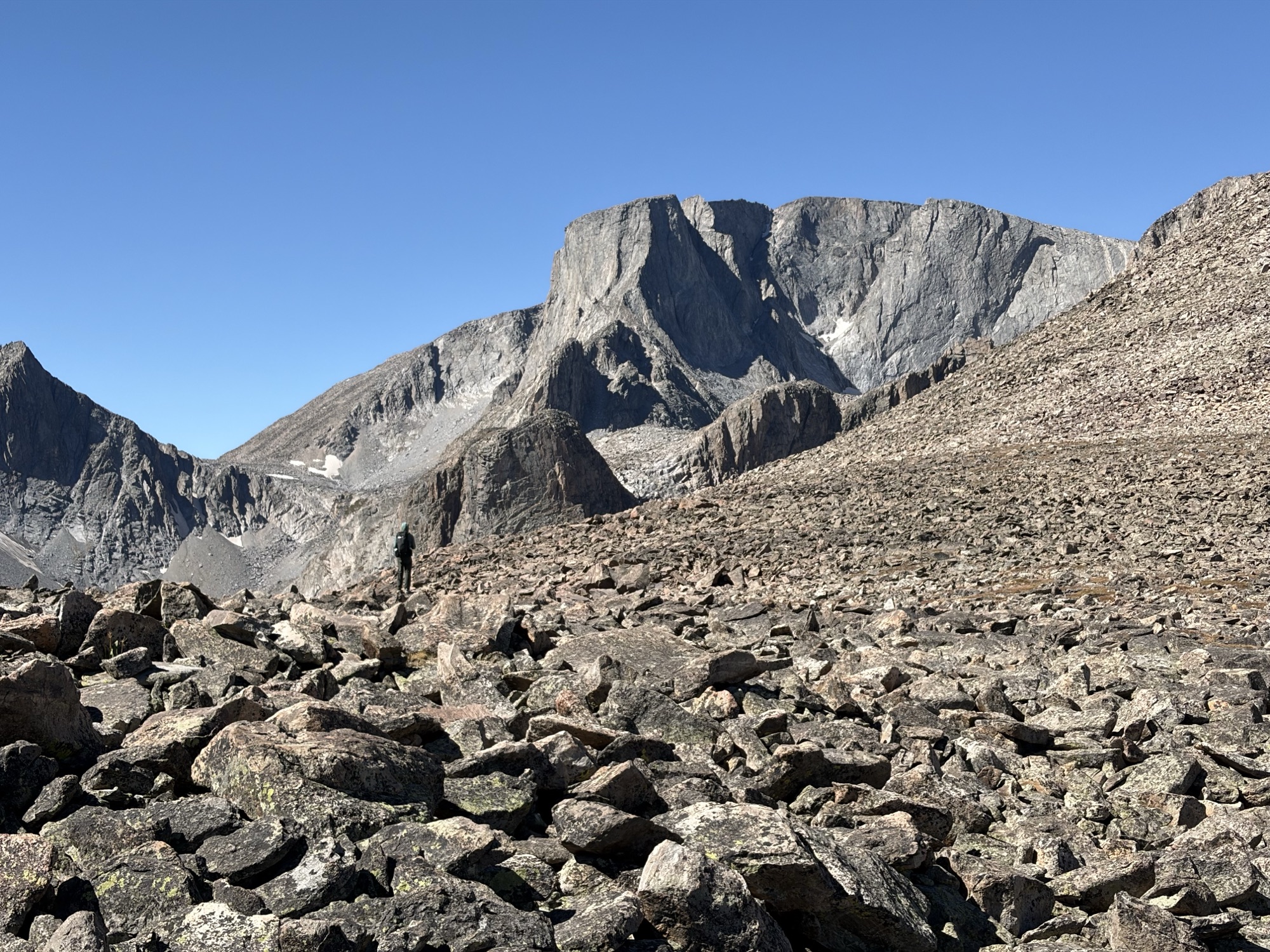
Cloud Peak is 13,167 feet tall and caps the range. It gets a lot of visitation, for good reason. If you want to climb something off the beaten path, then climb anything else in the range. There are some big walls out there for the alpinists.
Inspiration
Resources
- Cloud Peak Wilderness — Tourism page from Sheridan, WY
- SummitPost — mountaineering in the area. For rock climbing, get a guide book or check Mountain Project or just go there and look for yourself (more fun).